Special districts
Why Your Special District Website Needs Someone Watching It 24/7
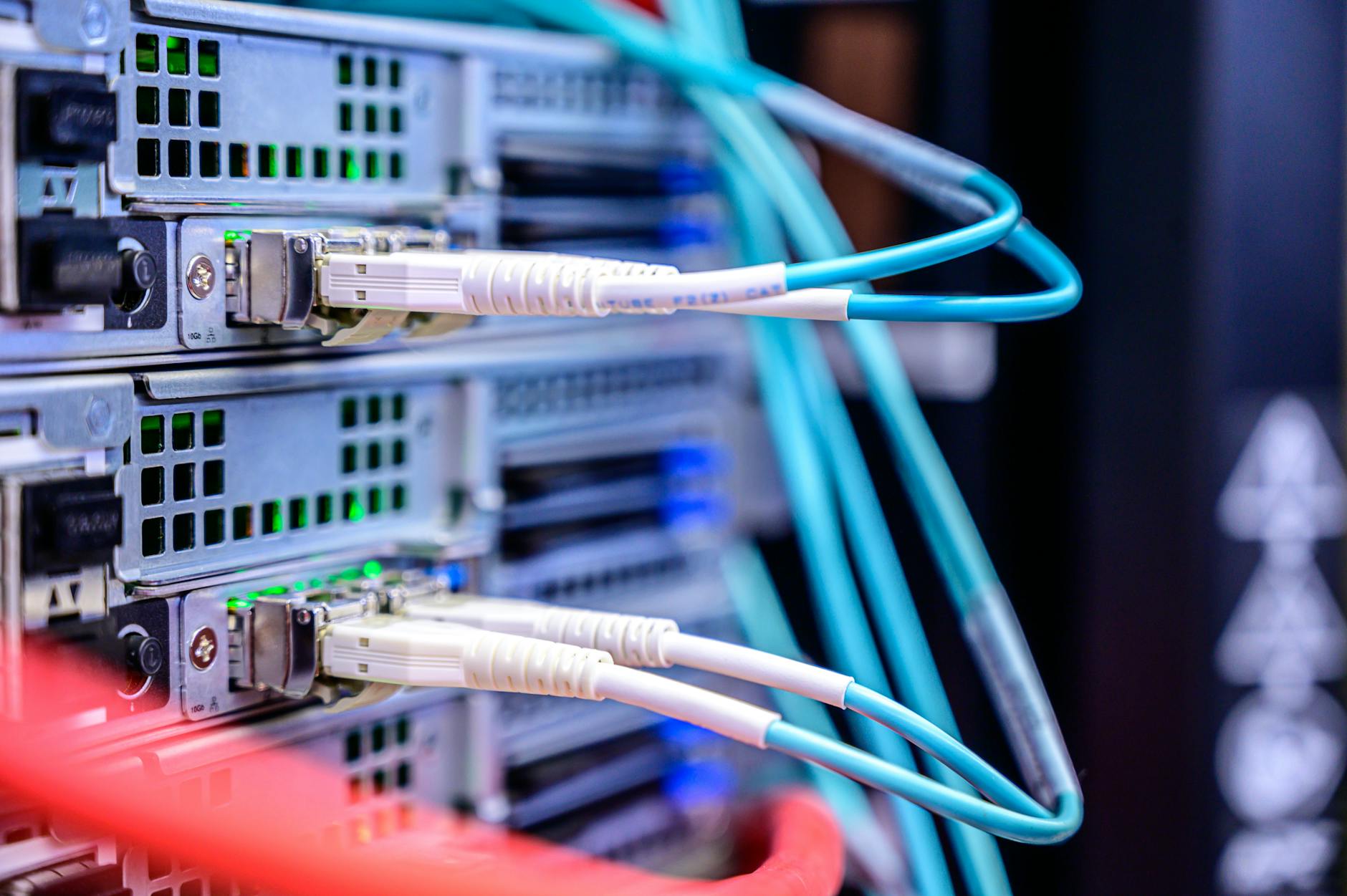
Photo by Brett Sayles on Pexels
Your water district, park authority, or library website is not a project—it's a service. It's how residents find hours, pay bills, report problems, and stay informed. When it breaks, goes out of date, or gets hacked, people lose trust in your organization. They call the front desk with frustration. Your staff spends time troubleshooting instead of doing their actual job.
Yet many special districts treat their websites like a one-time build. They launch it, maybe update it when something breaks, and hope nothing goes wrong.
The Real Cost of Doing It Yourself
Running a website is not one job—it's five. Someone has to apply security updates the moment they come out. Someone has to check that forms and payment systems still work. Someone has to make sure the site loads fast on phones. Someone has to fix broken links and outdated content. Someone has to know enough about how websites work to catch problems before residents see them.
For a small district team, this usually means cramming it onto whoever has the most tech knowledge. They get good at it. Then they leave, or their actual job gets busier, and suddenly no one is watching anything.
That's when problems happen: a security hole sits unfixed for months, a form stops accepting applications, a page with wrong information stays live, or the site gets so slow that people give up trying to use it.
What Your Site Needs to Do Every Day
A healthy district website does invisible work around the clock:
- Watches for security threats and patches them immediately
- Checks that every form, page, and feature still works
- Makes sure it loads fast enough that people don't leave
- Keeps backups so nothing is ever permanently lost
- Tests that it works for everyone—people with vision loss, hearing loss, motor disabilities, or older browsers
- Stays current with information that changes (hours, contact numbers, alerts)
This is not a list of nice-to-haves. Each one directly affects whether your residents can actually use the site and whether they trust your organization.
Peace of Mind Means Knowing Someone Is in Charge
The real benefit of having your site properly maintained is not that it avoids being hacked—though it does. It's that your staff stops thinking about the website at all. They can focus on the work your district actually does.
When a resident submits a permit application, it goes through. When someone visits your site from their phone, it's easy to read. When your water quality report needs to go live, it goes live without someone fussing with formatting or worrying about whether it broke something else. When a security vulnerability is discovered, you don't have to panic and make calls—it's already fixed.
This is what it feels like when someone else owns the responsibility. Your team doesn't have to know anything about websites. They just have to know it's taken care of.
Why This Matters More for Your Organization
Special districts serve a specific community with specific, often time-sensitive needs. A water district's website needs to handle boil notices and outage alerts in real time. A park district needs to keep activity schedules, fees, and registration forms current. A library needs accurate hours and working reservation systems.
A broken or outdated website is not an inconvenience—it's a failure to serve. And unlike a private business that might lose a customer, you're disappointing the neighbors who depend on your services and fund your budget.
The cost of staying on top of all this without help—in staff hours, in stress, in risk—adds up fast. Many special districts now choose websites that handle security, updates, and maintenance automatically, so the people on staff can do what they were hired to do.
What to Ask About Your Current Site
If you are responsible for your district's website right now, ask yourself:
- Who is watching for security problems? When do they do it?
- How often is the site tested to make sure it still works?
- If I left tomorrow, would someone else know how to keep it running?
- Is there a backup plan if something breaks during a crisis?
- Who is responsible for updating information when it changes?
If you can't answer those clearly, or if the answer is "I hope someone does," that's a sign your site needs different support. Not because you are failing, but because running a website is not a one-person task, and your people have more important work to do.
A website that runs itself is not lazy—it's smart. It means your team can sleep at night knowing your residents can reach you, find what they need, and trust that your district is on top of things.
Free download: grab our special district website checklist — the short, plain-English list of what your site needs to get found and bring in calls. No cost, no obligation.